When you are diagnosed with a vascular condition, navigating the medical system can feel overwhelming. You may hear several different terms for specialists who treat arteries and veins, including “vascular surgeon” and “interventional radiologist.” While both are highly skilled experts in treating vascular disease, they come from different training backgrounds and often bring unique, complementary skills to your care. Understanding the roles of each specialist can help you feel more empowered and informed on your treatment journey.
At South Valley Vascular, our practice is built on a collaborative model where our specialists work together to provide the most effective and least invasive treatment possible for every patient. This team-based approach ensures you get the right care, from the right expert, at the right time.
Different Training, Shared Goals
The primary difference between a vascular surgeon and an interventional radiologist lies in their training pathways.
- Vascular Surgeons are fully trained general surgeons who go on to complete an additional, intensive fellowship focused exclusively on the diagnosis and treatment of diseases affecting the entire vascular system (all arteries and veins outside of the heart and brain). They are experts in open surgical procedures, such as a carotid endarterectomy or an aortic aneurysm repair, as well as minimally invasive endovascular procedures. Their surgical training gives them a deep understanding of anatomy and the ability to perform complex reconstructions when needed.
- Interventional Radiologists (IRs) are board-certified radiologists who have completed a fellowship in interventional radiology. Radiologists are experts in medical imaging, such as ultrasound, CT scans, and angiography. IRs use this imaging expertise to guide tiny instruments—like catheters, wires, balloons, and stents—through the body to diagnose and treat diseases in a minimally invasive way. Their entire focus is on performing procedures from inside the blood vessels (endovascularly).
While their training is different, their goal is the same: to treat vascular disease effectively while minimizing pain, recovery time, and risk to the patient.
A Collaborative, Patient-Centered Approach
In modern vascular care, the lines between specialties are blurring. Many vascular surgeons are experts in endovascular techniques, and many interventional radiologists manage complex vascular conditions. The best patient outcomes often come from a collaborative environment where these specialists work as a team.
At South Valley Vascular, this collaboration happens every day. Here’s how it might look for a patient:
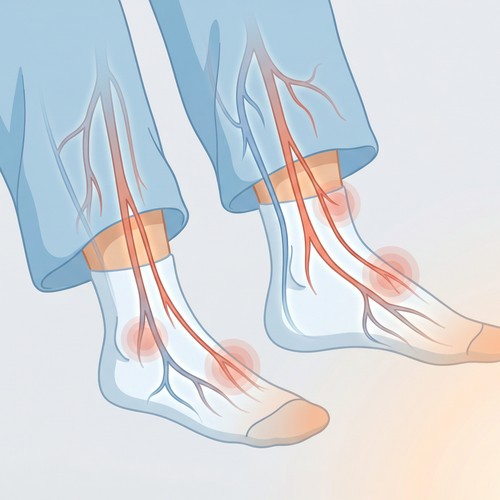
- Diagnosis and Consultation: You might first see a vascular surgeon for symptoms like leg pain when walking (claudication). The surgeon will perform a physical exam, order non-invasive tests like an Ankle-Brachial Index (ABI) or a duplex ultrasound, and review your medical history to make a diagnosis of Peripheral Artery Disease (PAD).
- Treatment Planning: The vascular surgeon will then determine the best course of treatment. If the blockage is suitable for a minimally invasive approach, they may perform the procedure themselves or work alongside an interventional radiologist. The team will review your diagnostic images together to plan the safest and most effective way to open the blocked artery.
- Performing the Procedure: During an endovascular procedure like an angioplasty or stent placement, the specialists use their combined skills. The IR’s expertise in reading real-time X-ray imaging (fluoroscopy) is crucial for navigating catheters and wires through complex anatomy. The vascular surgeon’s deep knowledge of open surgery provides a critical backup; if a complication were to arise during the minimally invasive procedure, the surgeon is immediately available to perform an open operation if necessary. This built-in safety net is a key advantage of a collaborative practice.
- Follow-Up Care: After the procedure, you will continue to see your vascular specialist for long-term follow-up. They will manage your medications, monitor your circulation with regular ultrasounds, and provide guidance on lifestyle changes to prevent the disease from progressing.
This team approach ensures that you are not just getting one doctor’s opinion, but the collective expertise of multiple specialists. The treatment plan is not based on what one doctor is most comfortable with, but on what is truly best for you and your specific condition.
When Might You See Each Specialist?
While there is significant overlap, some conditions are more commonly treated by one specialist over the other.
- You will almost always see a vascular surgeon for:
- Open surgical procedures, like open aneurysm repair or surgical bypass grafts in the legs.
- Creation of dialysis access (e.g., an AV fistula).
- Management of conditions requiring long-term, comprehensive medical and surgical oversight.
- You might see an interventional radiologist for highly specialized procedures like:
- Uterine fibroid embolization.
- Treatment of pelvic congestion syndrome.
- Placement of IVC filters to prevent pulmonary embolism.
However, for the most common vascular conditions—like PAD, carotid artery disease, and venous insufficiency—both specialists are highly qualified to perform the necessary endovascular procedures. The strength of South Valley Vascular is that you have access to all of these experts under one roof.
Schedule Your Consultation Today
If you have been diagnosed with a vascular condition, you deserve comprehensive care from a team of dedicated experts. At South Valley Vascular, our collaborative approach ensures you receive the most advanced and personalized treatment available. Call us today at (559) 625-4118 to schedule your consultation and experience the benefit of our team-based care.
Disclaimer: The information provided in this article is for educational purposes only and does not constitute medical advice. It is not intended to be a substitute for professional medical advice, diagnosis, or treatment. Always seek the advice of your physician or other qualified health provider with any questions you may have regarding a medical condition. Never disregard professional medical advice or delay in seeking it because of something you have read in this article.