A minor cut, scrape, or sore on your leg or foot is usually a temporary inconvenience. With basic first aid, the body’s natural healing processes kick in, and the wound closes up within a week or two. But what happens when a wound refuses to heal? A sore that lingers for weeks or months, or an ulcer that seems to get worse instead of better, is more than just a nuisance—it is a critical warning sign that your body’s circulatory system may be in trouble.
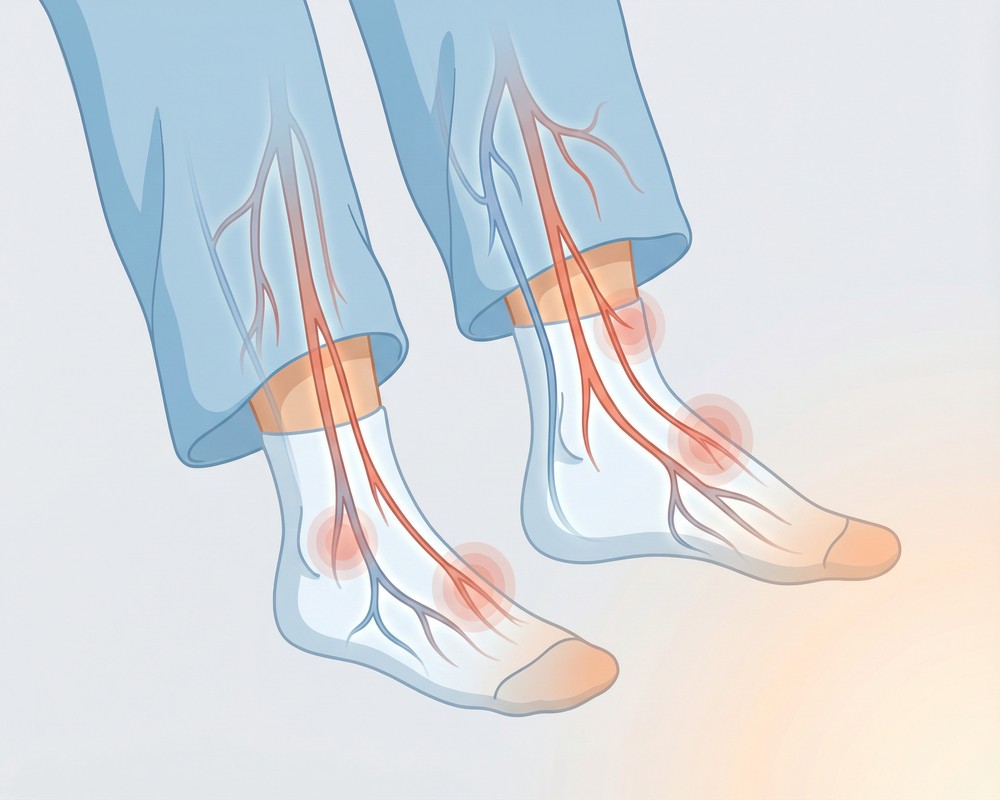
For many people in the Central Valley, especially those with diabetes, a non-healing wound is the first clear indication of Peripheral Artery Disease (PAD). This common but serious condition restricts blood flow to the limbs and can lead to severe complications, including infection, gangrene, and even amputation. At South Valley Vascular, our team of specialists understands the critical link between circulation and wound healing. We provide expert diagnosis and advanced treatments to restore blood flow, heal chronic wounds, and preserve limbs.
Healing is a complex process that depends on a steady supply of oxygen-rich blood. Blood delivers oxygen, nutrients, and vital growth factors to the site of an injury, which are the essential building blocks for repairing damaged tissue. It also carries away waste products and allows immune cells to reach the area to fight off infection.
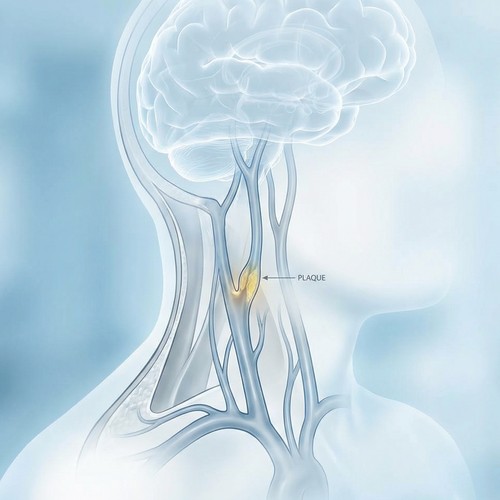
When you have PAD, the arteries in your legs have become narrowed or blocked by plaque buildup (atherosclerosis). This blockage acts like a roadblock, severely reducing the amount of blood that can reach your lower legs and feet. Without adequate blood flow, the healing process stalls. Even a small wound cannot get the resources it needs to repair itself. The tissue becomes starved of oxygen, making it weak, fragile, and highly susceptible to infection.
This is why a seemingly minor injury—like a blister from a new pair of shoes, a cut from trimming your toenails, or even a pressure sore—can quickly escalate into a chronic, non-healing ulcer in someone with PAD.
Not all wounds are the same. A wound caused by poor circulation, often called an arterial or ischemic ulcer, has distinct characteristics that a vascular specialist can identify. If you have a non-healing wound, look for these signs:
In contrast, a venous ulcer, caused by damaged veins rather than blocked arteries, typically occurs around the ankle and is associated with swelling, aching, and discolored, leathery skin.
If you have a non-healing wound on your leg or foot, seeking a comprehensive vascular evaluation is the most important step you can take. Simply treating the wound on the surface with dressings and ointments will not work if the underlying blood flow problem is not addressed. The wound will not heal, and your risk of serious complications will continue to rise.
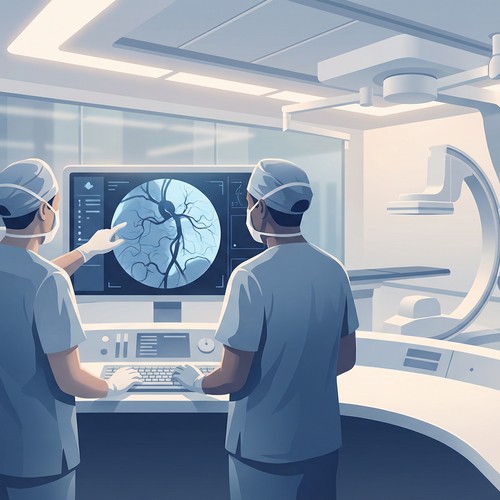
At South Valley Vascular, our first priority is to assess your circulation. We use simple, non-invasive tests to determine if PAD is the cause of your wound:
Based on these results, our specialists will develop a personalized treatment plan to restore blood flow to the affected limb. This is the key to healing the wound and preventing recurrence.
Treating a non-healing wound requires a two-pronged approach: revascularization (restoring blood flow) and expert wound care.
Our vascular specialists are experts in minimally invasive, endovascular procedures to open blocked arteries. These are typically performed on an outpatient basis and include:
Once blood flow is restored, the wound can finally begin to heal. Our team will coordinate with your primary care provider or a wound care center to ensure you receive the best possible local wound care while your circulation recovers.
If you or a loved one is struggling with a slow-healing wound on the leg or foot, do not delay. It is a clear signal from your body that your circulation needs attention. The expert team at South Valley Vascular has the advanced tools and expertise to diagnose and treat the underlying cause. Call us today at (559) 625-4118 to schedule your consultation and take the first step toward healing.
Disclaimer: The information provided in this article is for educational purposes only and does not constitute medical advice. It is not intended to be a substitute for professional medical advice, diagnosis, or treatment. Always seek the advice of your physician or other qualified health provider with any questions you may have regarding a medical condition. Never disregard professional medical advice or delay in seeking it because of something you have read in this article.