A stroke can be a life-altering event, often occurring with little to no warning. While many people are aware of risk factors like high blood pressure or an irregular heartbeat, one of the most significant and treatable causes of stroke is often overlooked: carotid artery disease. This condition involves the narrowing or blockage of the two large arteries in your neck that supply oxygen-rich blood to your brain. When this blood flow is disrupted, the risk of stroke increases dramatically.
At South Valley Vascular, our board-certified specialists are experts in diagnosing and treating carotid artery disease. Using advanced diagnostic tools and offering a full range of treatment options, we are committed to preventing strokes and protecting the long-term health of our patients across the Central Valley. With convenient locations in Visalia, Hanford, Porterville, and Fresno, expert care is always within reach.
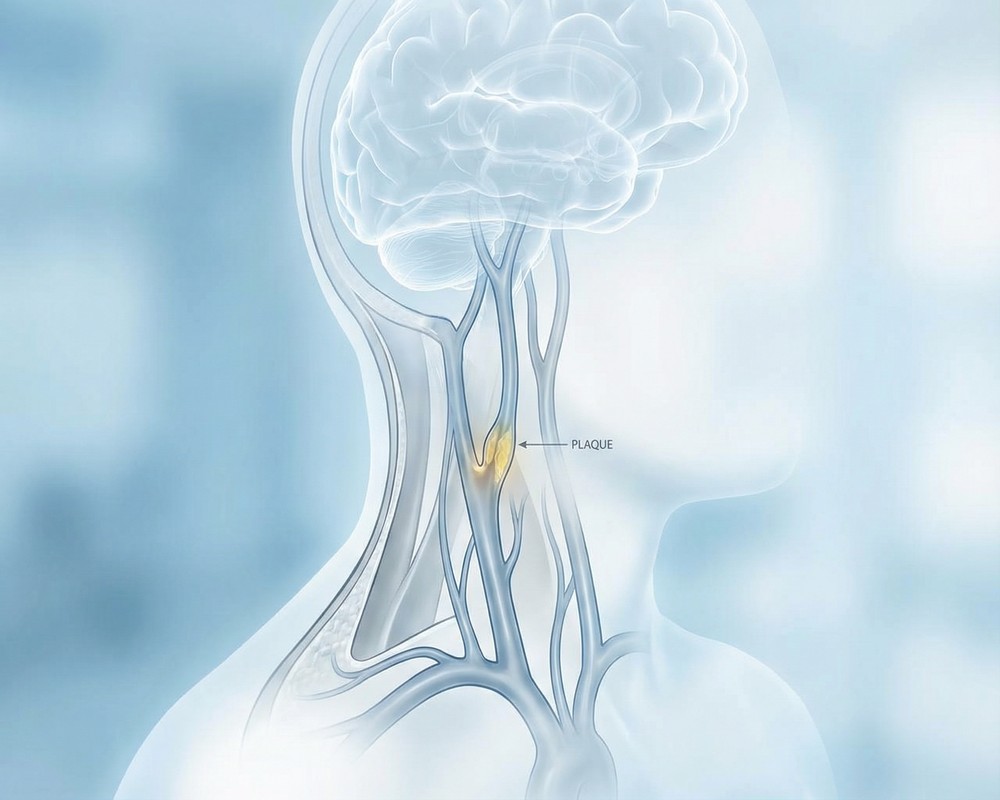
Think of the carotid arteries as the main highways for blood traveling from your heart to your brain. You have one on each side of your neck, and you can sometimes feel their pulse by pressing gently on the side of your neck below your jaw. The brain requires a constant, uninterrupted supply of oxygen and nutrients to function. If the flow through these critical arteries is reduced or blocked, brain cells can begin to die within minutes, leading to a stroke.
Carotid artery disease develops through a process called atherosclerosis. This is the same process that causes coronary artery disease in the heart. It begins when plaque—a sticky substance made of cholesterol, fat, calcium, and other waste products—builds up on the inner walls of the arteries. Over time, this plaque can harden and narrow the artery, a condition known as stenosis. This narrowing makes it harder for blood to pass through and creates a rough surface where blood clots can form.
In many cases, carotid artery disease develops silently with no symptoms until it causes a medical emergency. The first sign is often a transient ischemic attack (TIA), also known as a "mini-stroke." A TIA occurs when a small piece of plaque or a blood clot temporarily blocks an artery in the brain. The symptoms are identical to a stroke but are temporary, usually lasting from a few minutes to an hour.
A TIA is a critical warning sign that a major stroke may be imminent. Never ignore the symptoms of a TIA. Common signs of a TIA or stroke include the sudden onset of:
The key difference is that TIA symptoms resolve completely, while a stroke causes lasting damage. However, it is impossible to tell the difference between a TIA and a stroke while it is happening. If you or someone you know experiences these symptoms, call 911 immediately.
Diagnosing carotid artery disease is a straightforward and painless process. The most common and effective diagnostic tool is a carotid duplex ultrasound. This non-invasive test uses sound waves to create images of your carotid arteries, measure the speed of blood flow, and identify the location and severity of any plaque buildup.
Once diagnosed, your treatment plan will depend on the severity of the blockage and whether you have experienced symptoms. For mild to moderate blockages, treatment often focuses on aggressive medical management and lifestyle changes to slow the progression of atherosclerosis. This may include medications to lower blood pressure and cholesterol, an antiplatelet medication like aspirin, and guidance on diet, exercise, and smoking cessation.
For severe blockages (typically over 70%) or for patients who have had a TIA or stroke, a procedure to restore blood flow is often recommended. The two primary treatment options are:
The choice between these procedures depends on your overall health, the anatomy of the blockage, and other medical factors. Our specialists at South Valley Vascular will discuss the risks and benefits of each option with you to determine the best approach for your specific needs.
Do not wait for a TIA or stroke to be the first sign of trouble. If you have risk factors for atherosclerosis, such as a history of smoking, high blood pressure, high cholesterol, or diabetes, talk to your doctor about your carotid health. The expert team at South Valley Vascular is here to provide comprehensive evaluation and state-of-the-art care to protect you from stroke. Call us today at (559) 625-4118 to schedule your consultation.
Disclaimer: The information provided in this article is for educational purposes only and does not constitute medical advice. It is not intended to be a substitute for professional medical advice, diagnosis, or treatment. Always seek the advice of your physician or other qualified health provider with any questions you may have regarding a medical condition. Never disregard professional medical advice or delay in seeking it because of something you have read in this article.