The relationship between your vascular system and your kidneys is a critical one. Your kidneys are responsible for filtering waste from your blood, and to do their job effectively, they require a massive amount of blood flow. When the arteries supplying blood to the kidneys become narrowed, a condition known as renal artery stenosis, it can lead to two major health problems: difficult-to-control high blood pressure and a decline in kidney function.
Understanding this connection is vital, as treating the underlying vascular issue can sometimes reverse these serious problems. The vascular specialists at South Valley Vascular have deep expertise in diagnosing and managing renal artery stenosis, offering hope to patients with renovascular hypertension and preserving kidney health for our Central Valley communities.
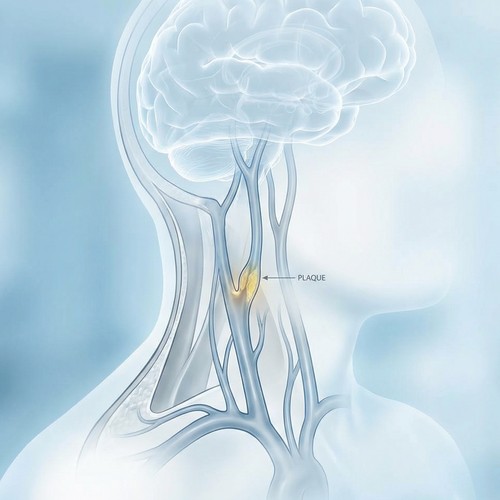
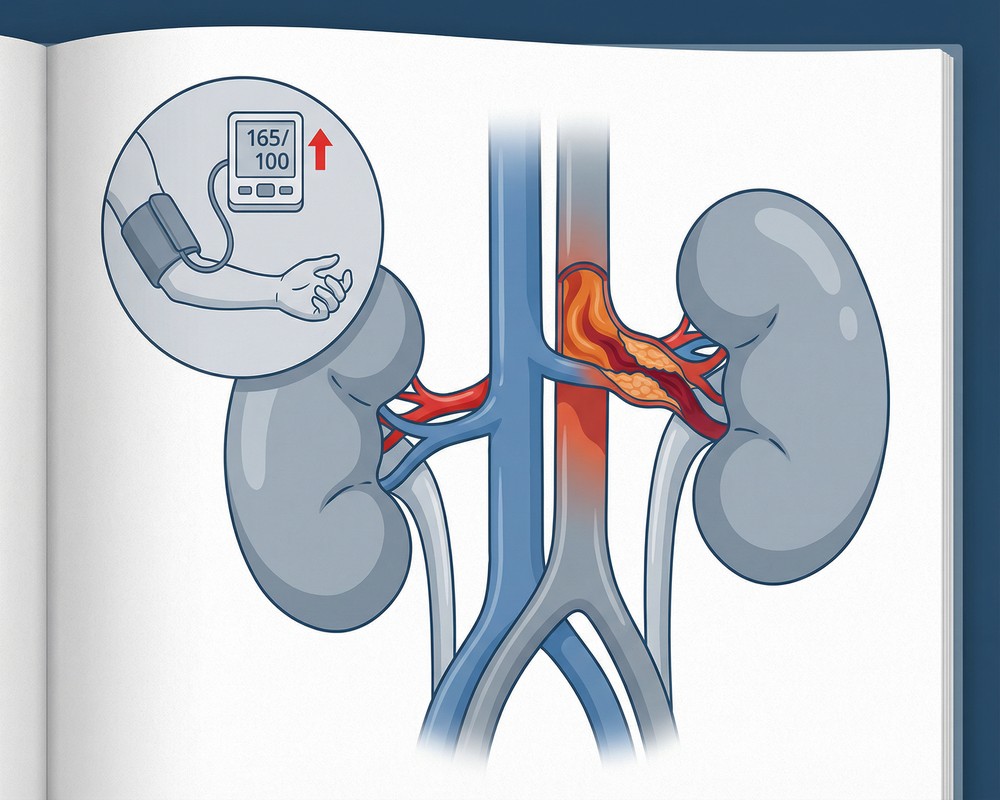
Renal artery stenosis is the narrowing of one or both of the renal arteries, which are the large blood vessels that carry blood from the aorta to the kidneys. The most common cause, accounting for about 90% of cases, is atherosclerosis, the same plaque buildup that causes blockages in the heart and legs. A less common cause, found more often in younger patients, is a condition called fibromuscular dysplasia (FMD), which involves abnormal cell growth in the artery wall.
When the renal arteries narrow, the kidneys are tricked into thinking the body's blood pressure is too low. In response, they release hormones that signal the body to retain salt and water and to constrict blood vessels throughout the body. This results in a powerful and difficult-to-control form of high blood pressure known as renovascular hypertension.
If the blockage becomes severe, the reduced blood flow can also damage the kidney tissue itself, leading to a gradual loss of kidney function and, in some cases, end-stage renal disease requiring dialysis.
Not everyone with high blood pressure has renal artery stenosis. However, your doctor may suspect it and recommend a screening if you have:
If your physician suspects renal artery stenosis, the first step is usually a non-invasive imaging test to visualize the renal arteries.
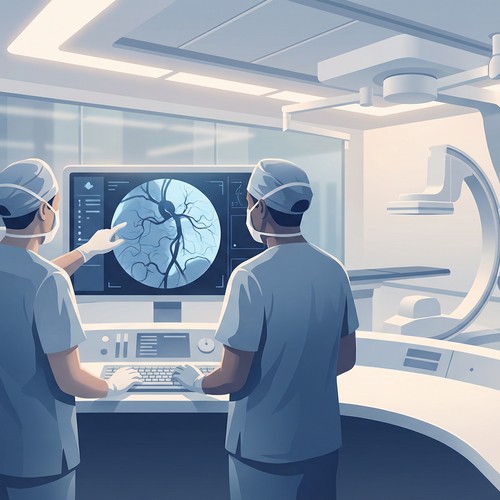
If these non-invasive tests suggest a significant blockage, the definitive test is a renal angiogram. This is a minimally invasive procedure where a catheter is guided to the renal arteries and contrast dye is injected to get a clear X-ray picture. This test not only confirms the diagnosis but also allows for immediate treatment in the same session.
The goal of treatment is to improve blood pressure control and preserve or improve kidney function. For many patients, medical management with blood pressure medications, statins to control cholesterol, and lifestyle changes is sufficient.
However, when a blockage is severe and is causing resistant hypertension or declining kidney function, a procedure to restore blood flow may be recommended. The most common and preferred method is angioplasty and stenting.
During this minimally invasive procedure, performed at the same time as the angiogram, a vascular surgeon guides a catheter to the narrowed renal artery. A tiny balloon is inflated at the site of the blockage to open the artery, and a stent (a small, expandable mesh tube) is often placed to keep the artery propped open. This procedure is highly successful at restoring normal blood flow.
In rare cases, when stenting is not possible, open surgery to bypass the blockage may be necessary.
If you are struggling with high blood pressure that is difficult to control or have been diagnosed with unexplained kidney problems, it is essential to consider a vascular cause. An evaluation for renal artery stenosis could provide the answer and a path toward better health. The board-certified vascular specialists at South Valley Vascular are experts in the diagnosis and minimally invasive treatment of this condition.
To learn more or to schedule a consultation, please call one of our four Central Valley offices at (559) 625-4118. Your kidney and vascular health are too important to ignore.
Disclaimer: The information provided in this article is for educational purposes only and does not constitute medical advice. It is not intended to be a substitute for professional medical advice, diagnosis, or treatment. Always seek the advice of your physician or other qualified health provider with any questions you may have regarding a medical condition. Never disregard professional medical advice or delay in seeking it because of something you have read in this article.