As the year draws to a close, many people begin thinking about health improvements for the coming year. While weight loss and fitness goals often top resolution lists, vascular health deserves specific attention—especially for those with risk factors or existing circulatory conditions. A thoughtful approach to vascular wellness can improve quality of life and help prevent serious complications. At South Valley Vascular, we believe in empowering patients to take an active role in their circulatory health. This guide offers practical strategies for developing meaningful vascular health resolutions for the new year.
Effective health planning begins with a clear picture of your current status. Your blood pressure readings offer critical insight into arterial health and should be monitored regularly. Cholesterol profiles—including total cholesterol, HDL, LDL, and triglycerides—directly impact vascular health and atherosclerosis risk. Blood glucose levels, both fasting and A1C measurements for diabetics, significantly affect vascular health throughout the body.
Family history of vascular conditions, including heart disease, stroke, aneurysms, and venous disease, indicates genetic predisposition requiring vigilance. Personal medical history, including previous vascular events or interventions, shapes appropriate monitoring and prevention strategies. Lifestyle factors such as smoking, activity level, stress management, and dietary patterns significantly impact vascular health.
Vague goals rarely lead to lasting change. Instead of 'improve circulation,' specify 'walk 30 minutes daily without leg pain' or 'reduce ankle swelling by consistently wearing compression stockings.' Concrete objectives allow you to clearly determine whether you are succeeding. Establish measurable metrics such as blood pressure targets, walking distances, or symptom-free days, and create time-bound expectations with reasonable milestones throughout the year.
Smoking cessation provides the single most powerful vascular health improvement for current smokers—the benefits begin within hours and continue accumulating for years after quitting. Physical activity, particularly regular walking, delivers remarkable vascular benefits with minimal cost or equipment. Medication adherence ensures you receive the full benefit of prescribed treatments, and dietary adjustments such as sodium reduction can significantly impact vascular function.
A daily walking program, beginning at your current capacity and gradually increasing, improves both arterial and venous circulation. For those with peripheral arterial disease, supervised exercise programs show particularly strong benefits. Regular position changes throughout the day, especially for those with desk jobs, prevents prolonged venous stasis. Simple ankle exercises and leg elevations can be incorporated into daily routines with minimal disruption.
Mediterranean-style eating patterns—emphasizing vegetables, fruits, whole grains, lean proteins, and healthy fats—show strong evidence for cardiovascular and vascular benefits. Sodium awareness and reduction helps manage blood pressure and fluid retention affecting circulation. Adequate hydration supports proper blood viscosity and circulation, and limiting alcohol consumption benefits vascular health through multiple mechanisms.
Home blood pressure monitoring provides valuable data for those with hypertension or other vascular conditions. Symptom tracking helps identify patterns and triggers affecting vascular health. Scheduled healthcare appointments ensure appropriate professional monitoring and adjustment of treatment plans—booking these appointments in advance increases follow-through.
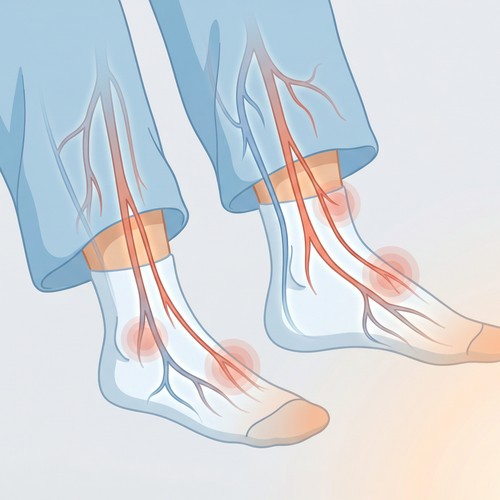
For those with reduced leg circulation, walking programs specifically designed for claudication build collateral circulation over time. Foot care vigilance prevents minor injuries from becoming serious complications. Smoking cessation takes on particular urgency, as continued smoking dramatically increases amputation risk.
For those with venous circulation problems, compression therapy adherence—wearing prescribed stockings consistently during waking hours—provides the foundation for symptom management. Leg elevation, ideally multiple times daily with feet above heart level, reduces swelling and discomfort. Weight management reduces pressure on venous valves and improves overall symptoms.
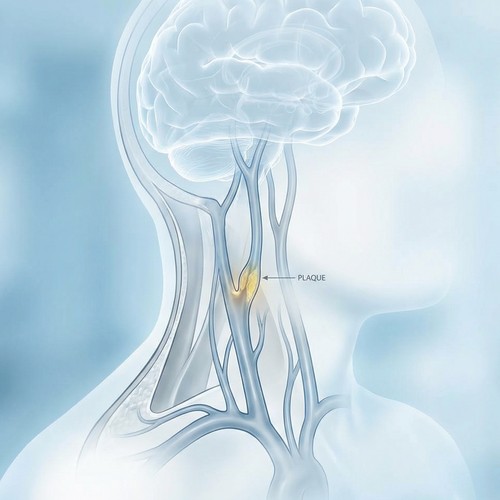
For those with neck artery narrowing, blood pressure control takes highest priority in reducing stroke risk. Medication adherence, particularly for antiplatelet therapy, statins, and antihypertensives, provides significant protection. Regular follow-up imaging according to physician recommendations tracks disease progression.
As you plan for the new year, remember that vascular health improvements often yield benefits beyond circulation—including increased energy, improved mobility, and enhanced overall quality of life. At South Valley Vascular, our specialists can help you develop a personalized vascular wellness plan based on your specific conditions, risk factors, and health goals. With locations in Visalia, Hanford, Porterville, and Fresno, we provide comprehensive vascular care throughout the Central Valley. To schedule a vascular health consultation and begin planning your circulatory wellness strategy for 2026, contact South Valley Vascular today at (559) 625-4118. Together, we can help you achieve meaningful improvements in your vascular health in the coming year.