When you think about your circulatory system, you might picture it in two separate parts: the heart, managed by a cardiologist, and the vast network of blood vessels, managed by a vascular surgeon. In reality, this system is one interconnected highway. The health of your heart is directly dependent on the health of your arteries and veins, and vice versa. Understanding this relationship is the first step toward comprehensive cardiovascular care.
At South Valley Vascular, we emphasize a collaborative approach to patient health. Our board-certified vascular specialists work closely with cardiologists and other physicians across the Central Valley to ensure that our patients receive integrated, effective care for their entire circulatory system. This partnership is essential for preventing serious events like heart attacks and strokes and for improving overall quality of life.
The term "cardiovascular disease" itself highlights the connection. "Cardio" refers to the heart, and "vascular" refers to the blood vessels. While a cardiologist focuses on the heart muscle, valves, and rhythm, a vascular surgeon specializes in the arteries and veins that transport blood to and from the heart.
Both specialties treat atherosclerosis, the buildup of plaque in arteries, but in different locations. A cardiologist treats atherosclerosis in the coronary arteries (the vessels supplying blood to the heart muscle), while a vascular surgeon treats it in the peripheral arteries (vessels in the legs, arms, and neck) and the aorta (the body's main artery).
Because atherosclerosis is a systemic disease, a patient with plaque in one area is highly likely to have it in others. This is why the connection is so critical.
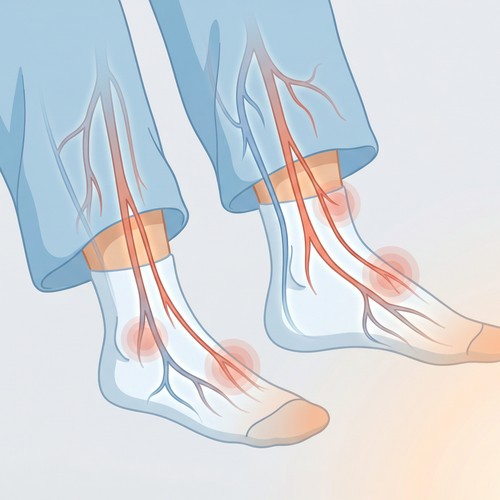
Peripheral Artery Disease (PAD) is a strong predictor of heart disease. If you have been diagnosed with PAD, which involves plaque buildup in the arteries of your legs, your risk of having a heart attack or stroke is significantly elevated. The same disease process that is narrowing the arteries in your legs is likely also affecting the arteries of your heart and brain.
Carotid Artery Disease, the narrowing of the arteries in your neck that supply blood to the brain, is another major red flag for cardiologists. The presence of carotid plaque indicates a high risk for both stroke and future cardiac events.
An Abdominal Aortic Aneurysm (AAA) is a weakening and bulging of the body's largest artery. The risk factors for AAA, such as smoking, high blood pressure, and atherosclerosis, are the same as those for heart disease. Managing these risk factors is a shared goal for both specialties.
When your vascular surgeon and cardiologist work together, you receive more complete and effective care. This collaboration can take many forms:
Your primary care physician or cardiologist may refer you to a vascular specialist if you have symptoms or risk factors for vascular disease. Key symptoms include:
Even without symptoms, a screening may be recommended if you have a strong family history of aneurysms or are over 65 and have a history of smoking.
Think of your cardiologist and vascular surgeon as essential partners on the same team, with you at the center. By addressing the health of your entire circulatory system, from your heart to the smallest arteries in your feet, this collaborative approach provides the best possible protection against cardiovascular events.
If you have been diagnosed with a heart condition or have risk factors for vascular disease, talk to your doctor about whether a consultation with a vascular specialist is right for you. The experts at South Valley Vascular are ready to work with you and your healthcare team to create a comprehensive plan for your long-term health. Contact us at (559) 625-4118 to schedule an appointment at one of our four convenient Central Valley locations.
Disclaimer: The information provided in this article is for educational purposes only and does not constitute medical advice. It is not intended to be a substitute for professional medical advice, diagnosis, or treatment. Always seek the advice of your physician or other qualified health provider with any questions you may have regarding a medical condition. Never disregard professional medical advice or delay in seeking it because of something you have read in this article.