Spring Into Action: How Increased Activity After Winter Affects Your Vascular Health

Blog Post
By South Valley Vascular
March 5, 2026

Spring Into Action: How Increased Activity After Winter Affects Your Vascular Health

As winter fades and the vibrant spring season arrives in the Central Valley, many of us feel inspired to get outside and become more active. The warmer weather and longer days are perfect for walking, gardening, and resuming outdoor hobbies. For individuals living with vascular conditions like peripheral artery disease (PAD) or chronic venous insufficiency, this seasonal shift is a valuable opportunity to improve circulation and overall health. However, it is also a time to be mindful and take a smart approach to increasing your activity level.

A sudden jump from a sedentary winter to intense spring activity can pose risks if not managed properly. The specialists at South Valley Vascular are here to provide guidance on how to safely and effectively "spring into action" to benefit your circulatory system.

The Benefits of Spring Activity for Vascular Health

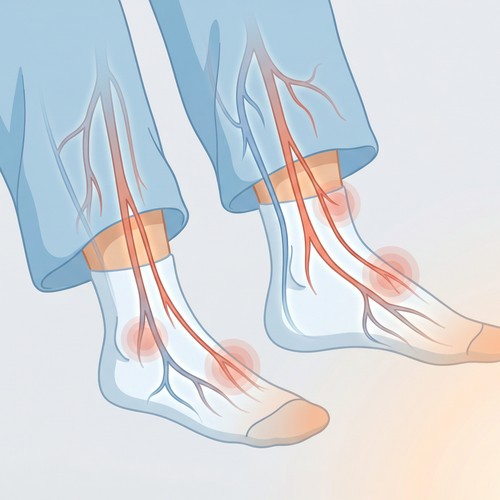
Regular physical activity, especially walking, is one of the most powerful tools for managing vascular disease. For patients with PAD, exercise helps to develop new, small blood vessels in the legs, a process known as developing "collateral circulation." This can significantly improve the distance you can walk without pain.

For those with venous disease, the calf muscle pump is your "second heart." When you walk, your calf muscles contract and squeeze the veins, pushing blood back up toward your heart. Consistent activity reduces venous pooling, decreases leg swelling, and alleviates symptoms of aching and heaviness.

Spring offers the perfect motivation to establish or re-establish a healthy walking routine that can carry you through the rest of the year.

Key Considerations for a Safe Return to Activity

Before you begin, it is always wise to speak with your vascular specialist or primary care physician, especially if you have been inactive for a long period or if your symptoms have changed over the winter.

  1. Start Low and Go Slow: Your body needs time to adapt. Do not try to pick up where you left off last fall. Begin with short, manageable sessions of 10-15 minutes of walking at a comfortable pace. Gradually increase your duration and intensity over several weeks.
  1. Listen to Your Body: This is the most important rule. For PAD patients, it is normal to feel some claudication (leg cramping) when you walk. The goal is to walk until the pain starts, rest until it subsides, and then walk again. This walk-rest-walk cycle is what builds new circulation. However, you should never push through severe pain. For venous patients, if you experience significant swelling or discomfort, it may be a sign to cut back slightly or ensure you are using your compression stockings correctly.
  1. Proper Footwear is Essential: Your feet are especially vulnerable when you have vascular disease. Wear comfortable, well-fitting shoes with good support. Inspect your feet daily for any blisters, cuts, or sores, as even minor injuries can become serious if circulation is poor.
  1. Stay Hydrated: As the Central Valley temperatures begin to climb, dehydration can make your blood thicker and harder to circulate. Drink plenty of water before, during, and after your activity.
  1. Wear Your Compression: If you have been prescribed compression stockings for venous insufficiency, it is crucial to wear them during your walks. They provide essential support to your veins as your activity level increases.

Creating a Sustainable Spring Routine

Consistency is more important than intensity. A daily 20-30 minute walk is far more beneficial than one long, strenuous workout on the weekend.

  • Find a Partner: Walking with a friend or family member can help with motivation and safety.
  • Choose the Right Time of Day: As spring progresses into early summer, avoid the midday heat. Early morning or evening walks are often more comfortable and safer.
  • Explore Local Parks and Trails: The Central Valley has many beautiful places to walk. Varying your route can keep your routine interesting.
  • Set Realistic Goals: Aim for progress, not perfection. Celebrate small victories, like walking a little farther than you did last week or noticing less swelling at the end of the day.

When to Call Your Vascular Specialist

While a gradual increase in activity is safe for most people, you should contact your vascular specialist if you experience any of the following:

  • A sudden or significant increase in leg pain or cramping.
  • New or worsening swelling that does not improve with elevation.
  • A new sore or ulcer on your leg or foot that is not healing.
  • Chest pain, shortness of breath, or dizziness during activity.

Partner with Us for a Healthy Spring

Embracing the spring season is a fantastic way to take control of your vascular health. The team at South Valley Vascular is here to support you every step of the way. We can help you develop a safe and effective exercise plan tailored to your specific condition and goals. With our guidance, you can confidently step into a more active and healthier season.

To schedule a consultation and discuss your activity plan, please call our office at (559) 625-4118.


Disclaimer: The information provided in this article is for educational purposes only and does not constitute medical advice. It is not intended to be a substitute for professional medical advice, diagnosis, or treatment. Always seek the advice of your physician or other qualified health provider with any questions you may have regarding a medical condition. Never disregard professional medical advice or delay in seeking it because of something you have read in this article.

{"@context": "https://schema.org", "@type": "MedicalWebPage", "name": "Spring Into Action: How Increased Activity After Winter Affects Your Vascular Health", "description": "As the weather warms up in the Central Valley, learn how to safely increase your activity levels. Get tips for spring exercise with vascular disease from the specialists at South Valley Vascular.", "url": "https://www.southvalleyvascular.com/blog/spring-into-action-how-increased-activity-after-winter-affects-your-vascular-hea", "datePublished": "2026-03-05", "publisher": {"@type": "MedicalOrganization", "name": "South Valley Vascular", "url": "https://www.southvalleyvascular.com", "telephone": "(559) 625-4118", "address": {"@type": "PostalAddress", "addressLocality": "Visalia", "addressRegion": "CA", "addressCountry": "US"}}, "medicalAudience": {"@type": "MedicalAudience", "audienceType": "Patient"}}