Chronic pelvic pain is a debilitating condition that affects millions of women. For many, the search for a cause can be a long and frustrating journey, often involving numerous visits to gynecologists and other specialists with no clear diagnosis. While issues with the uterus, ovaries, or bladder are common culprits, a frequently overlooked cause of chronic pelvic pain is vascular in origin: pelvic venous congestion syndrome (PVCS).
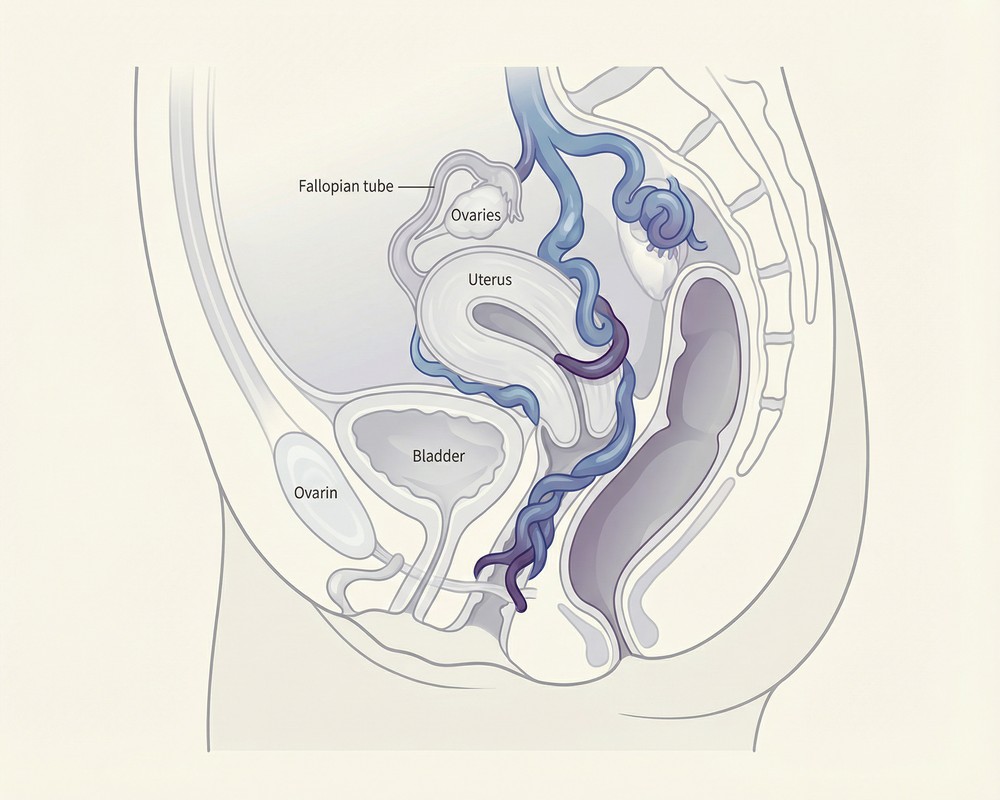
PVCS is essentially a condition of varicose veins in the pelvis. Just as veins in the legs can become weak and allow blood to pool, the veins in the pelvic region can do the same. This leads to a buildup of pressure and a persistent, dull, aching pain. The vascular specialists at South Valley Vascular are experienced in diagnosing and treating this underrecognized condition, offering relief to women who may have been suffering for years without answers.
PVCS occurs when the valves in the pelvic veins, particularly the ovarian veins, stop working properly. Instead of flowing back up to the heart, blood flows backward (a condition called reflux) and pools in the veins around the uterus and ovaries. This causes the veins to become enlarged and engorged, similar to varicose veins in the legs.
The condition is most common in women of childbearing age and is particularly prevalent in women who have had multiple pregnancies. Each pregnancy increases the pressure on the pelvic veins, which can lead to permanent stretching and valve damage. Hormonal factors, particularly high levels of estrogen, can also cause veins to dilate and may contribute to the problem.
The primary symptom of PVCS is a chronic pelvic pain that has lasted for at least six months. The pain is often described as a dull, heavy, or aching sensation, rather than a sharp pain. Other key characteristics include:
Because these symptoms can mimic other conditions, PVCS is often a diagnosis of exclusion, made after more common gynecological or urological problems have been ruled out.
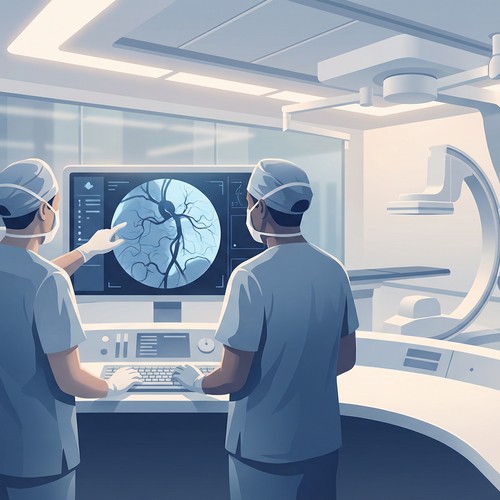
If your doctor suspects PVCS, they will likely start with a physical exam and a detailed medical history. The definitive diagnosis, however, relies on imaging studies that can visualize the pelvic veins and confirm the presence of reflux.
The most effective treatment for PVCS is a minimally invasive procedure called ovarian vein embolization. This procedure is performed on an outpatient basis and offers excellent results with a very short recovery time.
During the procedure, which is done at the same time as the diagnostic venogram, the vascular specialist uses the catheter to access the faulty ovarian vein(s). Small coils, sometimes combined with a sclerosant (a solution that closes veins), are then deployed into the vein. These materials block the vein, permanently sealing it off. This stops the backward flow of blood and relieves the pressure in the pelvic varicose veins.
Benefits of embolization include:
If you have been struggling with chronic pelvic pain and have not found a clear diagnosis, it is time to consider a vascular cause. You do not have to continue to live with debilitating pain. The specialists at South Valley Vascular understand the complexities of PVCS and are committed to providing an accurate diagnosis and effective, minimally invasive treatment.
Contact us today at (559) 625-4118 to schedule a consultation at one of our convenient Central Valley locations. Let us help you find the relief you deserve.
Disclaimer: The information provided in this article is for educational purposes only and does not constitute medical advice. It is not intended to be a substitute for professional medical advice, diagnosis, or treatment. Always seek the advice of your physician or other qualified health provider with any questions you may have regarding a medical condition. Never disregard professional medical advice or delay in seeking it because of something you have read in this article.