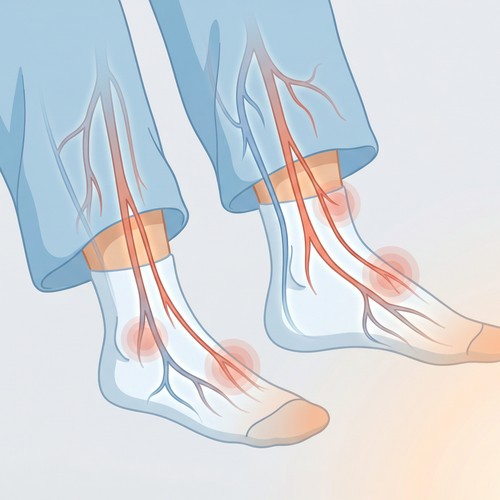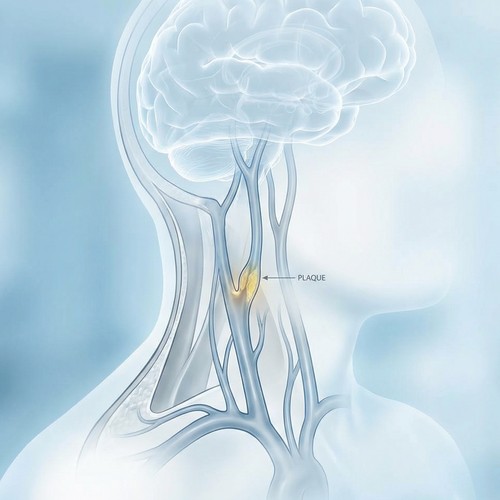
When you think of poor circulation, you likely picture symptoms in the legs or feet, such as pain when walking. However, the same process of atherosclerosis (the buildup of plaque in arteries) that affects the limbs can also impact the arteries that supply blood to your digestive organs. When these vessels, known as the mesenteric arteries, become narrowed or blocked, it can lead to a serious and often misdiagnosed condition called mesenteric artery disease.
This condition can cause severe abdominal pain, weight loss, and a fear of eating. In its most acute form, it can lead to a life-threatening loss of blood supply to the intestines. The vascular specialists at South Valley Vascular have the expertise to diagnose and treat this complex condition, offering hope to patients who may have been suffering without answers.
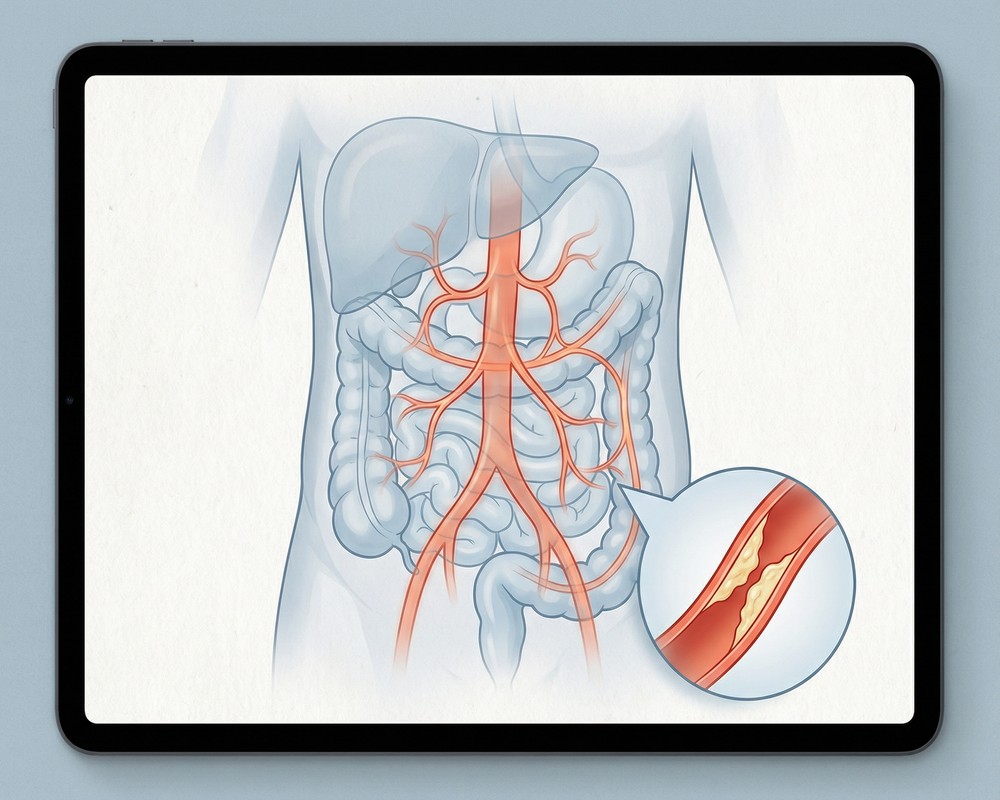
Your intestines, like any other organ, need a constant supply of oxygen-rich blood to function. This blood is delivered through the mesenteric arteries. Mesenteric artery disease occurs when these arteries become narrowed or blocked, usually due to atherosclerosis. This reduces blood flow, and the intestines essentially become starved of oxygen.
There are two main forms of the disease:
The classic symptom of chronic mesenteric ischemia is abdominal pain that starts 15 to 60 minutes after eating. This pain, sometimes called "intestinal angina," occurs because the digestive organs are not receiving enough blood to handle the work of digestion.
Other common symptoms include:
Because these symptoms overlap with many gastrointestinal disorders, mesenteric artery disease is often misdiagnosed. Patients may undergo extensive GI testing with normal results, while the underlying vascular problem goes undetected.
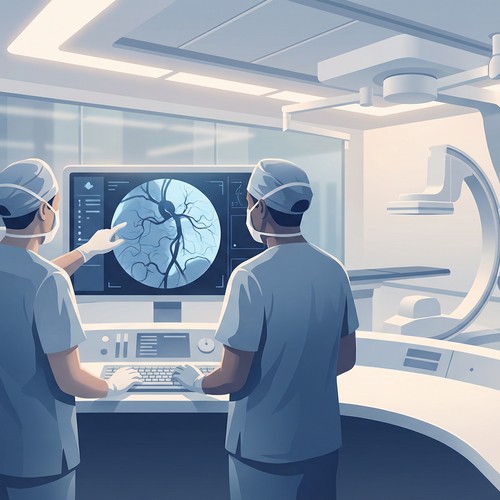
If mesenteric artery disease is suspected, a vascular specialist will conduct a thorough evaluation. The key to diagnosis is advanced imaging that can visualize the mesenteric arteries and measure blood flow. These tests may include:
The goal of treatment is to restore adequate blood flow to the intestines to relieve pain, improve nutrition, and prevent a life-threatening acute event. At South Valley Vascular, we offer both minimally invasive and traditional surgical options.
Successful treatment of mesenteric artery disease can have a dramatic impact on a patient's quality of life. With blood flow restored, the debilitating pain after eating disappears, allowing patients to eat normally, regain weight, and enjoy food again. More importantly, treating the chronic condition significantly reduces the risk of a catastrophic acute mesenteric ischemia event.
If you are experiencing unexplained abdominal pain after meals and significant weight loss, and other digestive issues have been ruled out, it is time to consider a vascular cause. The specialists at South Valley Vascular are leaders in diagnosing and treating complex circulatory conditions like mesenteric artery disease. Contact us at (559) 625-4118 to schedule a consultation and take the first step toward getting the right diagnosis and treatment.
Disclaimer: The information provided in this article is for educational purposes only and does not constitute medical advice. It is not intended to be a substitute for professional medical advice, diagnosis, or treatment. Always seek the advice of your physician or other qualified health provider with any questions you may have regarding a medical condition. Never disregard professional medical advice or delay in seeking it because of something you have read in this article.