Vascular surgery has undergone a remarkable transformation over the past few decades. Traditional open surgical procedures, while effective, often required large incisions, extended hospital stays, and lengthy recovery periods. Today, endovascular surgery—a minimally invasive approach to treating blood vessel problems—has revolutionized vascular care by offering effective treatment with significantly reduced patient impact. At South Valley Vascular, our specialists are experts in both traditional and endovascular techniques, allowing us to select the optimal approach for each patient's unique situation.
Unlike open surgery, endovascular procedures work from inside the blood vessels using small incisions or punctures to access blood vessels, typically in the groin, arm, or neck. Special catheters and wires are guided through the vascular system to the treatment area using real-time imaging for precise navigation. Once at the target location, various specialized tools can be deployed—such as balloons to open narrowed vessels, stents to hold vessels open, or coils to block abnormal vessels.
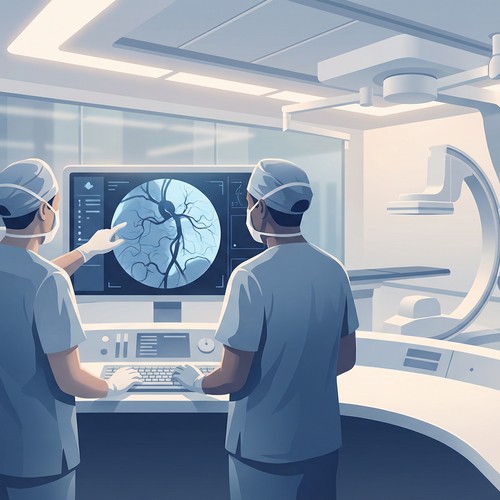
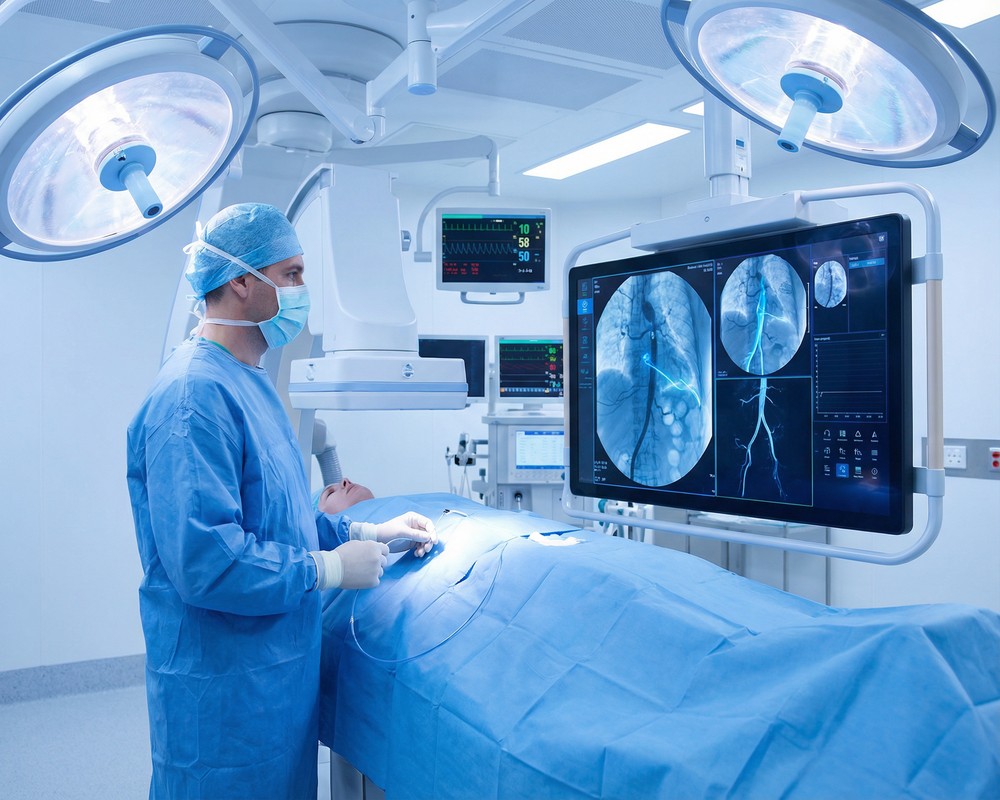
Advanced imaging systems, particularly fluoroscopy (real-time X-ray), provide continuous visualization of instruments moving through blood vessels. Stent technology has evolved dramatically, with options including bare metal stents, covered stents, drug-eluting stents, and custom-designed devices for complex anatomies. Embolic protection devices capture debris during procedures, preventing it from traveling to vital organs like the brain.
Smaller incisions result in significantly less pain compared to traditional surgery. Many procedures can be performed under local anesthesia with sedation rather than general anesthesia. Hospital stays are dramatically shorter—many procedures are outpatient or require just overnight observation. Recovery periods are measured in days or weeks rather than months, allowing faster return to normal activities.
Endovascular approaches offer lower overall complication rates for many procedures compared to traditional surgery, and reduced stress on the cardiovascular system—making treatment possible for patients who might not tolerate open surgery. These techniques also allow treatment of multiple areas during a single procedure and provide options for repeated interventions if needed.
Angioplasty uses a balloon to compress plaque against artery walls, restoring blood flow through narrowed vessels. Stenting provides structural support to keep vessels open after angioplasty. Atherectomy removes plaque directly using specialized devices, and thrombolysis dissolves blood clots using targeted medication delivery directly to the clot site.
Endovascular aneurysm repair (EVAR) treats abdominal aortic aneurysms using fabric-covered stent grafts delivered through the femoral arteries. These procedures transform a potentially life-threatening condition into one that can often be treated with just overnight hospitalization.
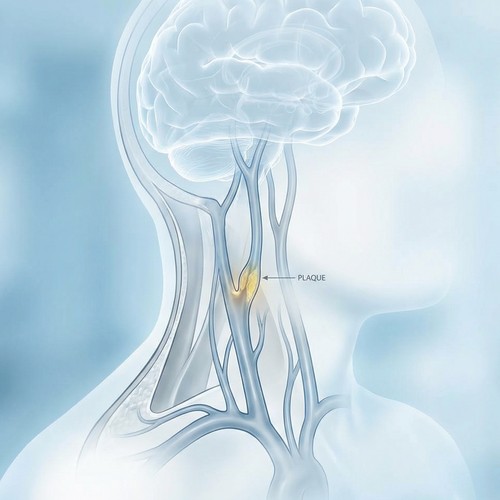
Carotid angioplasty and stenting offer an alternative to carotid endarterectomy for appropriate patients. Embolic protection devices capture any debris released during the procedure, preventing it from traveling to the brain.
Endovenous thermal ablation uses laser or radiofrequency energy to close problematic veins causing varicose veins. Venous stenting opens blocked or compressed veins, particularly in the pelvis or abdomen. Thrombolysis and thrombectomy remove dangerous blood clots from veins when needed.
Most procedures require standard pre-operative testing, which may include blood work, EKG, and imaging studies specific to your condition. Fasting is usually required for 6-8 hours before the procedure, and arrival is typically scheduled 1-2 hours early to allow for preparation.
Procedures take place in an angiography suite or hybrid operating room with advanced imaging equipment. Local anesthesia numbs the access site, while sedation provides comfort throughout. Procedure length varies widely based on complexity—from 30 minutes for simple interventions to several hours for complex cases.
Immediately after the procedure, you will need to lie flat for several hours while the access site begins healing. Many patients return home the same day, while others require overnight observation. Most patients are surprised by how quickly they return to normal activities compared to traditional open surgery.
While endovascular surgery offers significant advantages, it is not appropriate for every patient or condition. Some anatomical variations, highly calcified vessels, or complex lesion characteristics may make open surgery the better option. Your vascular surgeon at South Valley Vascular will conduct a thorough evaluation and discuss the benefits, limitations, and expected durability of each approach based on your specific situation.
If you are experiencing symptoms of vascular disease or have been told you may need vascular treatment, the board-certified specialists at South Valley Vascular are here to help. With convenient locations in Visalia, Hanford, Porterville, and Fresno, our team provides comprehensive evaluations and personalized treatment plans using the most advanced endovascular techniques available in the Central Valley. Call us today at (559) 625-4118 to schedule your consultation and find out whether a minimally invasive endovascular approach is right for you.