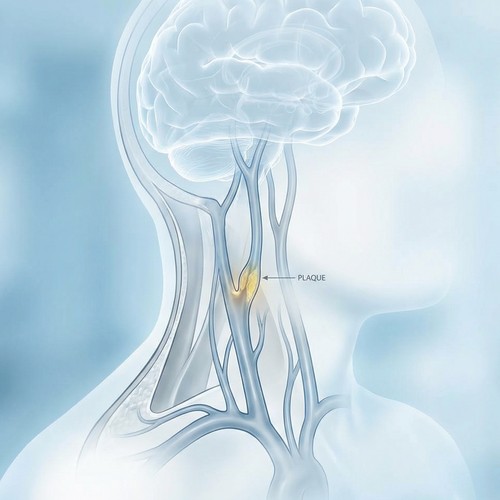
Deep vein thrombosis, or DVT, is a medical condition that occurs when a blood clot forms in one of the body's deep veins, most commonly in the leg. While it can happen to anyone, certain risk factors increase your chances of developing a DVT. These clots can be dangerous if they break loose and travel through the bloodstream to the lungs, causing a life-threatening condition known as a pulmonary embolism (PE). Understanding the risks, recognizing the symptoms, and seeking prompt medical care are critical for preventing serious complications.
At South Valley Vascular, our team of board-certified specialists provides comprehensive care for DVT, from accurate diagnosis to advanced treatment and long-term prevention strategies. With locations in Visalia, Hanford, Porterville, and Fresno, we are dedicated to protecting the vascular health of our Central Valley communities.
Several factors can increase your risk of developing a DVT. Prolonged immobility is a significant contributor, which is why long-distance travel (by plane, car, or train) is a well-known risk factor. Other situations that limit movement, such as recovery from surgery, hospitalization, or being on bed rest, also elevate your risk.
Other key risk factors include:
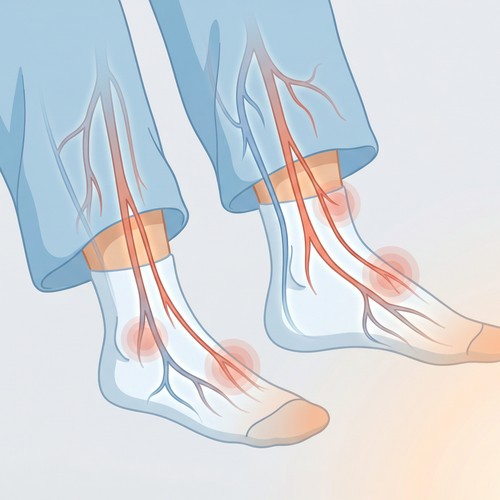
Unfortunately, DVT can sometimes occur with no noticeable symptoms. However, when symptoms do appear, they typically affect one leg and can include:
If a clot travels to the lungs and causes a pulmonary embolism, it is a medical emergency. Seek immediate medical attention if you experience sudden shortness of breath, sharp chest pain that worsens with a deep breath, a rapid heart rate, or unexplained coughing, sometimes with bloody mucus.
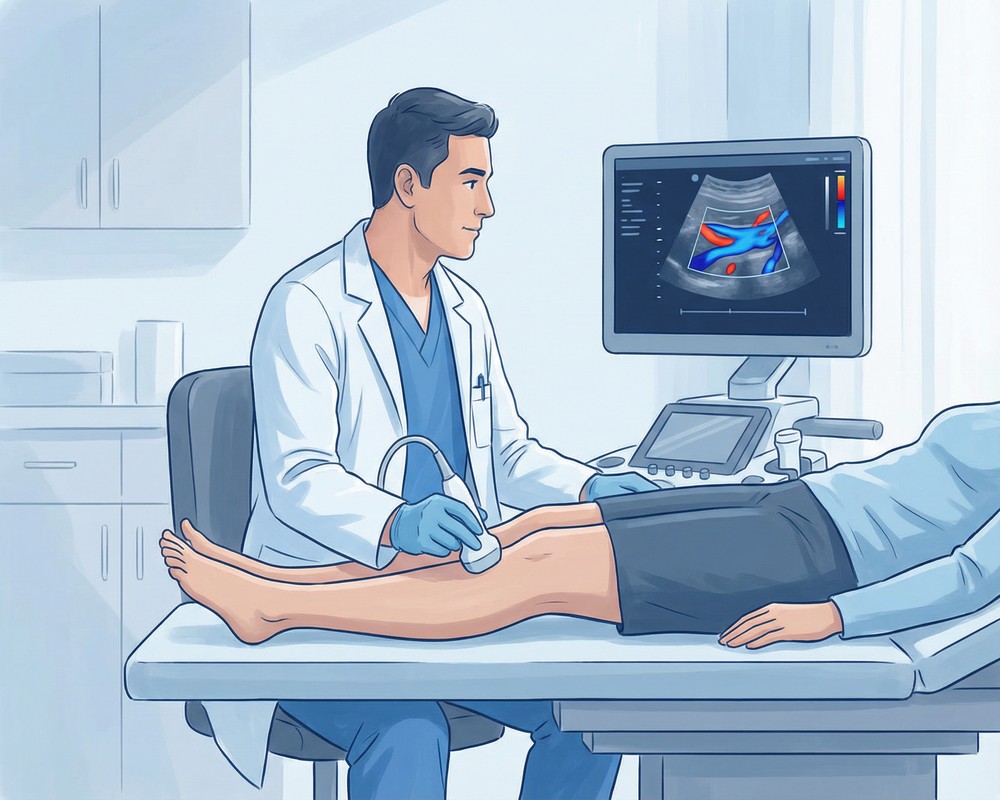
If your doctor suspects a DVT, the most common diagnostic tool is a duplex ultrasound. This non-invasive test uses sound waves to create images of the blood flowing through your veins, allowing our vascular specialists to visualize any clots.
Once a DVT is confirmed, treatment is focused on preventing the clot from growing, stopping it from traveling to the lungs, and reducing the risk of future clots. Treatment options include:
After initial treatment, long-term management is key to preventing another DVT. Your vascular specialist at South Valley Vascular will work with you to create a personalized prevention plan, which may include:
If you are experiencing symptoms of DVT or believe you may be at risk, do not wait to seek help. The experienced vascular specialists at South Valley Vascular are here to provide the expert diagnosis and advanced care you need. With four convenient locations across the Central Valley, we are committed to helping you protect your vascular health. Call us today at (559) 625-4118 to schedule your consultation.
Disclaimer: The information provided in this article is for educational purposes only and does not constitute medical advice. It is not intended to be a substitute for professional medical advice, diagnosis, or treatment. Always seek the advice of your physician or other qualified health provider with any questions you may have regarding a medical condition. Never disregard professional medical advice or delay in seeking it because of something you have read in this article.