If you have been diagnosed with a venous condition like varicose veins, leg swelling (edema), or chronic venous insufficiency, your doctor has likely recommended compression therapy. This simple yet powerful treatment is a cornerstone of managing venous disease. By applying external pressure to your legs, medical-grade compression stockings can improve circulation, reduce symptoms, and prevent complications.
However, navigating the world of compression therapy can be confusing. With different pressure levels, lengths, and materials, how do you know which product is right for you? This guide will help you understand how compression works and why a proper fitting from a vascular specialist is so important. The team at South Valley Vascular is here to ensure you get the maximum benefit from this effective therapy.
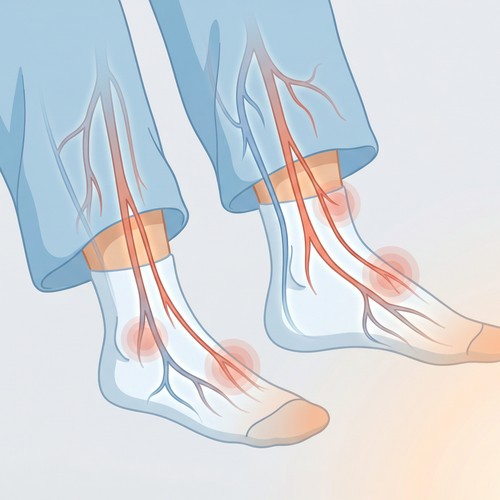
Healthy leg veins have one-way valves that help push blood against gravity back toward the heart. In chronic venous insufficiency, these valves become weak or damaged, causing blood to pool in the lower legs. This leads to symptoms like swelling, aching, heaviness, and the formation of varicose veins.
Graduated compression stockings apply a controlled amount of pressure that is tightest at the ankle and gradually decreases up the leg. This external pressure provides several key benefits:
Compression is measured in millimeters of mercury (mmHg). Over-the-counter support hose offer light compression (typically 8-15 mmHg), but medical-grade stockings provide higher, more effective pressure levels. It is crucial to use the level prescribed by your doctor.
Using a compression level that is too low may not be effective, while using one that is too high can be uncomfortable and, in some cases, unsafe, especially for patients with coexisting peripheral artery disease (PAD).
Compression stockings come in various lengths, including knee-high, thigh-high, and waist-high (pantyhose). The correct length depends on the location of your venous problem. For most common venous issues, knee-high stockings are sufficient and are generally easier for patients to put on and wear consistently.
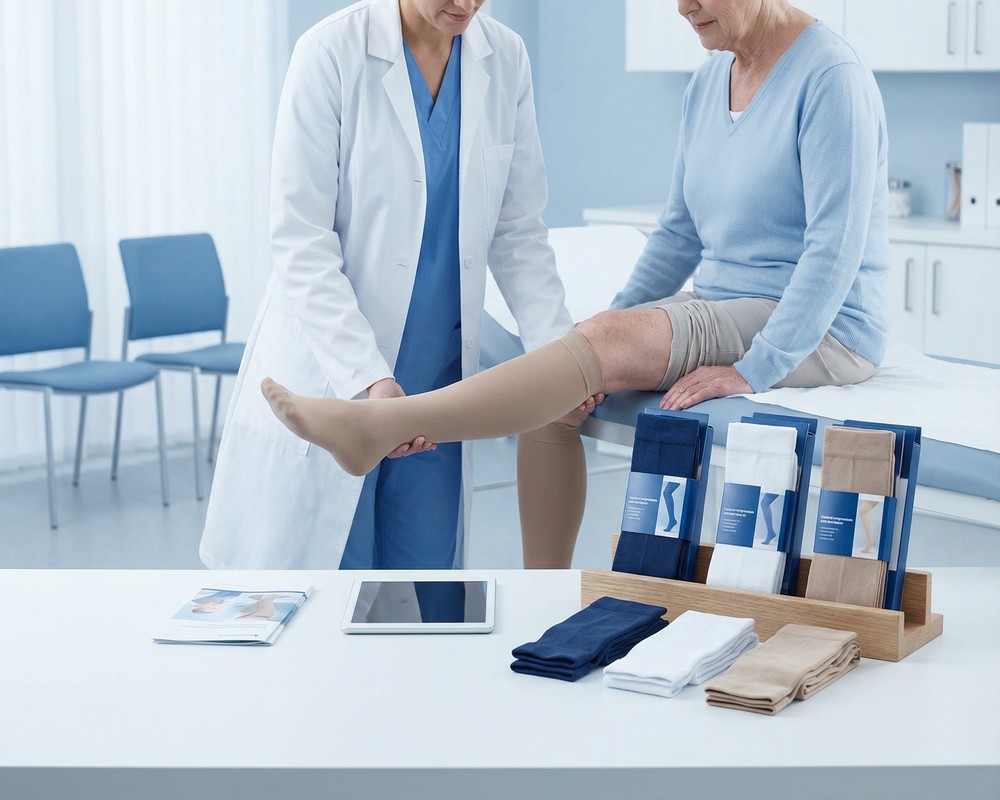
A proper fit is the most critical factor for success. Stockings that are too loose will not provide therapeutic benefit, and those that are too tight can cut off circulation. Your vascular specialist or a certified fitter will take precise measurements of your legs (usually in the morning before swelling occurs) to determine the correct size. These measurements often include the circumference of your ankle, calf, and sometimes your thigh.
Compression therapy is a medical treatment, and it is most effective when prescribed and managed by a healthcare professional. The specialists at South Valley Vascular will perform a thorough evaluation to determine the right compression level and style for your specific condition. We provide expert fittings and patient education to ensure you are comfortable and successful with your therapy.
If you are struggling with symptoms of venous disease, contact us today. A simple, properly fitted pair of compression stockings can make a world of difference in your daily comfort and long-term vascular health. Call (559) 625-4118 to schedule your appointment.
Disclaimer: The information provided in this article is for educational purposes only and does not constitute medical advice. It is not intended to be a substitute for professional medical advice, diagnosis, or treatment. Always seek the advice of your physician or other qualified health provider with any questions you may have regarding a medical condition. Never disregard professional medical advice or delay in seeking it because of something you have read in this article.